
Blog
What Happens If a Homebuyer Report Finds Major Defects?
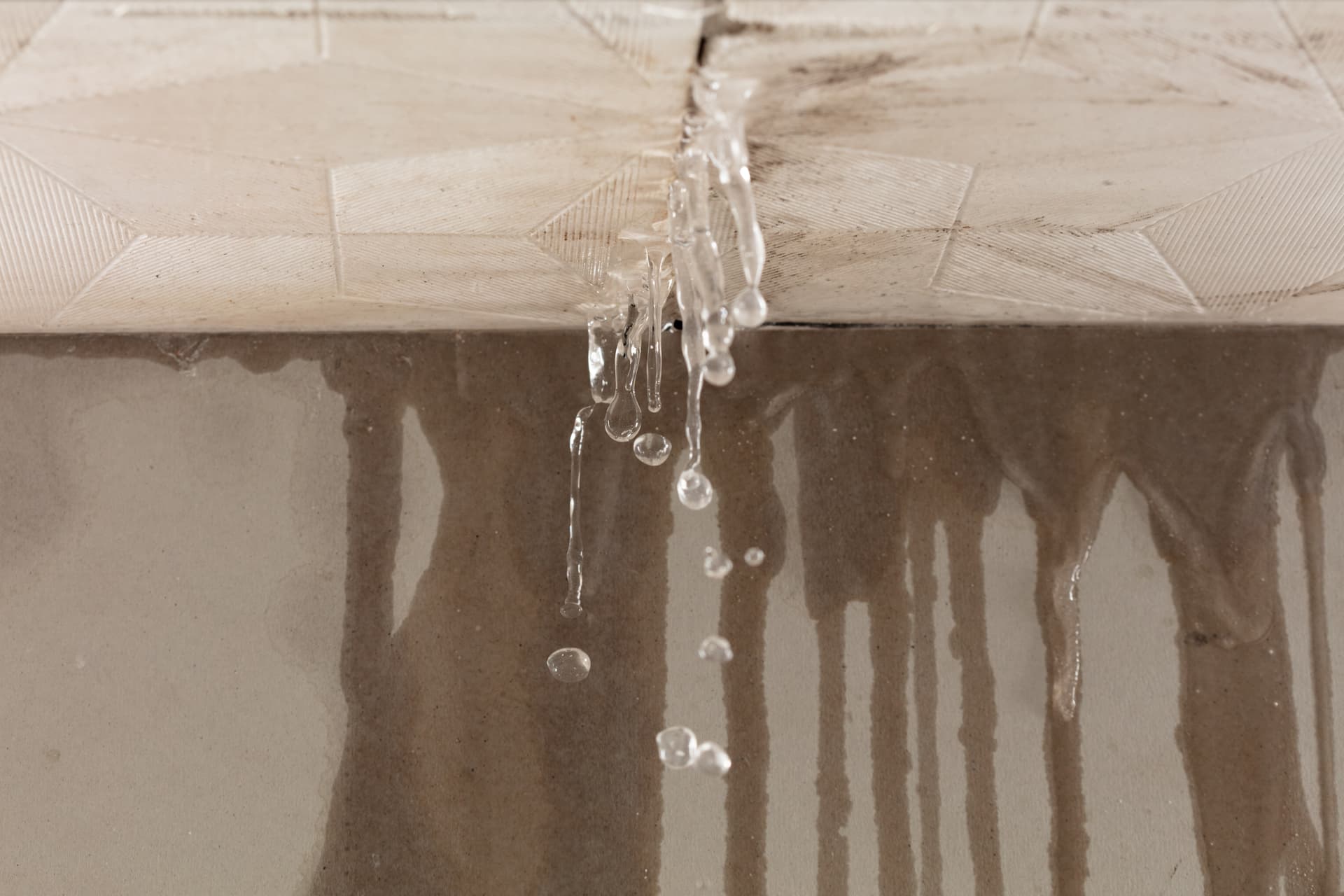
A major finding is a warning, not a complete diagnosis
Finding a serious defect in a homebuyer report can change how you see a property. The important thing is to understand what the observation does and does not tell you. A visible crack, patch of damp or sagging surface is evidence of a problem, but it may not reveal the full cause or how far the issue extends.
That distinction matters because different problems can produce similar signs. A damp patch, for example, could relate to water entering from outside, a leak, moisture passing through a wall or condensation. Treating the visible mark without identifying the source can leave the cause untouched. The patch may return, and concealed materials may continue to deteriorate.
A report helps you recognise where attention is needed. If the cause remains uncertain, further investigation may be necessary before you decide what work is appropriate. Assuming that the first visible symptom tells the whole story is one of the easiest ways to make a poor decision about a property.
Why apparently separate defects can be connected
Buildings do not keep problems neatly in separate categories. Water getting past roof materials or where parts of the roof meet can affect timber, ceilings and interior surfaces. A leak that goes unnoticed may cause damage beyond the original entry point. Repairing the stain alone will not stop water that is still finding its way in.
Cracks need similar care in interpretation. Some may come from movement in surface materials; others may be linked to movement in the structure or changes in how the building's weight is supported. The width or position of a crack on its own does not establish which explanation applies. Nearby clues, the pattern of cracking and the condition of other parts of the building can all matter.
Past repairs can also make the picture less clear. Fresh plaster or paint may hide earlier marks without resolving the source. If the same defect returns, or similar signs appear nearby, that can suggest the underlying cause has not been dealt with. A cosmetic repair can then need to be removed and repeated once the real problem is addressed.
What can happen if the cause is missed
The consequences depend on the defect and the building, but delay can allow a local issue to spread. Ongoing moisture can damage finishes and timber. Movement that is not understood may continue to affect adjoining parts of the property. A fault that appears limited may also require more disruptive work if access becomes harder after rooms are decorated or occupied.
There is a separate risk in treating a finding as a fixed repair plan when it is only an observation. Starting work on the wrong assumption can mean paying for work that does not resolve the issue, disturbing sound materials unnecessarily or having to repeat repairs. It can also make it harder to compare the property with another purchase, because the decision is being made without a clear view of the extent of the problem.
For a home in Eton or Maidenhead, as elsewhere, the useful question is not simply whether a defect has been noted. It is whether the cause, extent and likely consequences are understood well enough for you to make an informed decision.
Read the finding for its level of certainty
Pay attention to the difference between an observed condition and a confirmed cause. A report may describe what was visible, explain why it raises concern and indicate where more information is needed. Those are related, but they are not the same as a definitive diagnosis of concealed areas.
Look for the practical implications: whether the issue could affect safety or continued deterioration, whether access limited what could be seen, and whether specialist investigation is recommended. If a finding uses cautious wording, do not turn it into certainty in either direction. It does not automatically mean the worst case is present, but it should not be dismissed as harmless without evidence.
Before committing to repairs or assuming the defect is minor, clarify what remains unknown. The cost and disruption of a repair can depend on the cause, the extent of affected material, access and the work needed to restore nearby walls, floors or ceilings. Getting that picture wrong can lead to a budget that misses necessary work or a repair that has to be revisited.
Use the finding to make a better-informed decision
A major defect does not, by itself, tell you whether to proceed with a purchase. It tells you that the uncertainty and consequences need to be understood before you decide. For some issues, a clearer diagnosis may show that the problem is contained. For others, investigation may reveal a broader repair requirement or a risk that changes the decision.
Our Homebuyer Reports service explains the assessment we offer. Here at SUB BUILD LTD, we believe the value of a report is in helping you understand what a finding could mean, where the limits of the available evidence lie and what needs clarifying before you move forward.
Other Articles


